

Ba-Zn stabilisers
A leading stabiliser for paste PVC, developed to replace cadmium. For building materials and interiors — the spaces people live in.
- Building sheet
- Wallpaper
- Civil-engineering sheet
- Flooring film
- Synthetic leather
Since 1953, for more than seventy years, our work has been making things last. Our heat stabilisers for PVC are at work all around you, every day, unnoticed.
PVC breaks down under processing heat and sunlight, turning yellow, then brown, then black. A stabiliser is the additive that holds that breakdown back. It is a tiny fraction of the finished product, and it decides how long that product lasts.
Test strips of PVC go into an oven and come out one every ten minutes, laid side by side. It is the most basic test of a stabiliser. Without one, the PVC chars black within the hour; with one, it barely changes colour.
Image is illustrative.
Test temperature180 °C
Elapsed70 min
Four product families support PVC wherever it is used — from building materials and food packaging to medical devices and cars.
A leading stabiliser for paste PVC, developed to replace cadmium. For building materials and interiors — the spaces people live in.
Replacing lead in food packaging and outdoor products. For things that touch people’s hands and mouths.
JHPA- and FDA-compliant grades
Heat stability and colour hold for rigid PVC.
Used with any of the three stabiliser families to tune performance. Supplied on their own, or blended with a stabiliser into a one-pack product.
We started out in the year after the war ended.
Our first stabilisers for PVC. More than seventy years on, we still work in the same chemistry.
β-diketones are co-stabilisers, used alongside Ca-Zn and other stabiliser systems. They suppress the initial colour PVC takes on in processing, and they have helped PVC products do without lead and cadmium. More than forty years on, they are still in our catalogue.
From 1992 to 2019 we belonged to five overseas corporate groups in turn. Throughout, we went on making the same stabilisers in the same plant in Higashimatsuyama. On 15 December 2025 we began again as Akishima Chemical Co., Ltd.
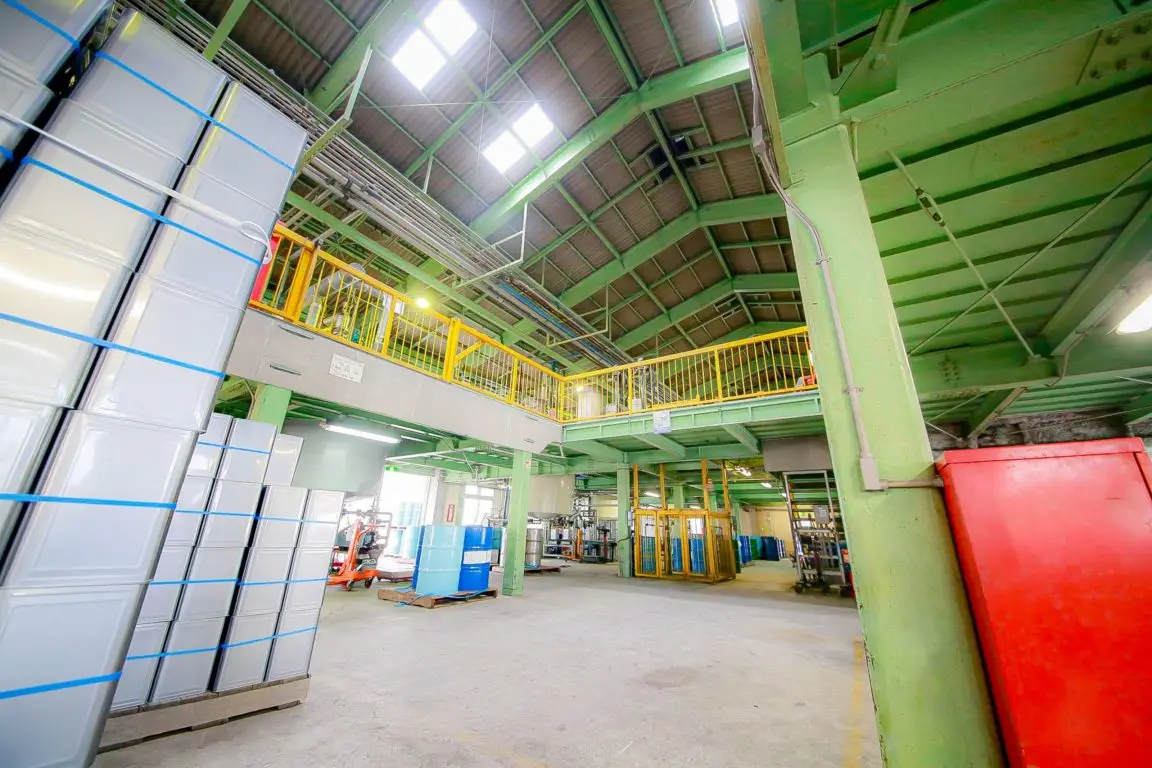
A stabiliser is qualified on the customer’s own production line before it goes into use. A long relationship means we have been chosen again, every time.


We draw on dozens of components to design a product around your processing conditions and end use. Not a mass-produced commodity grade — a stabiliser for your line.
Talk to us about a formulation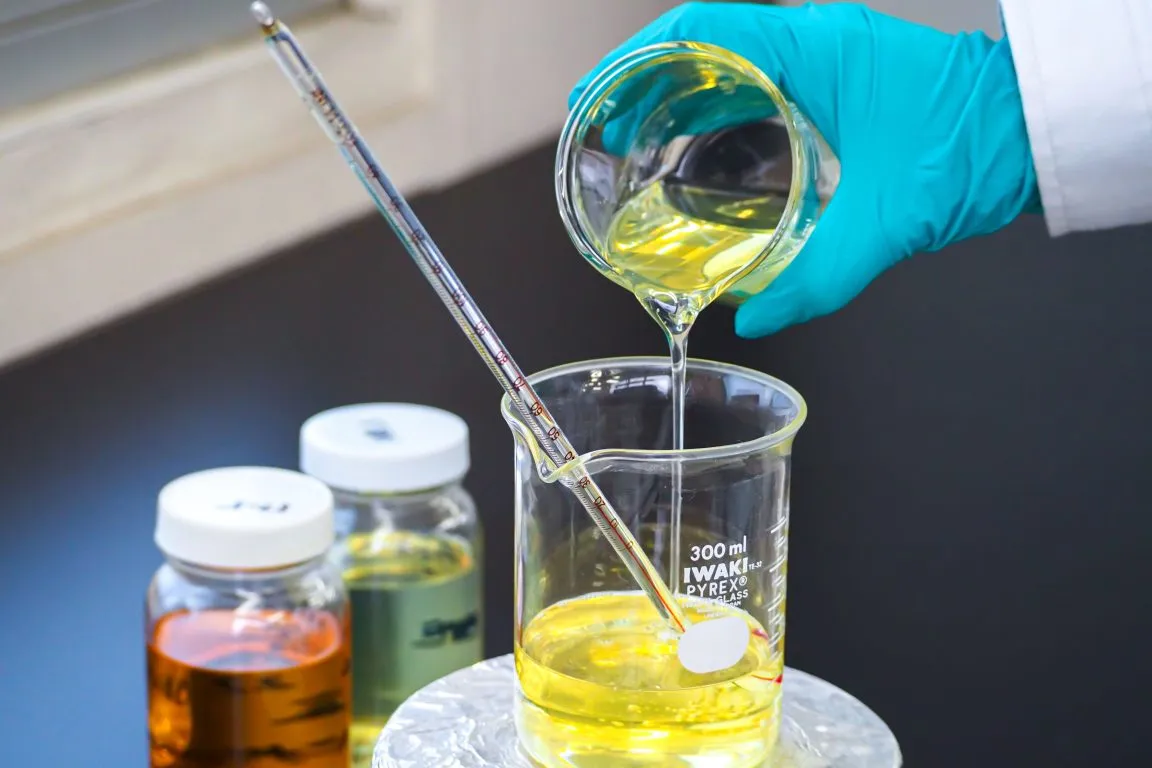
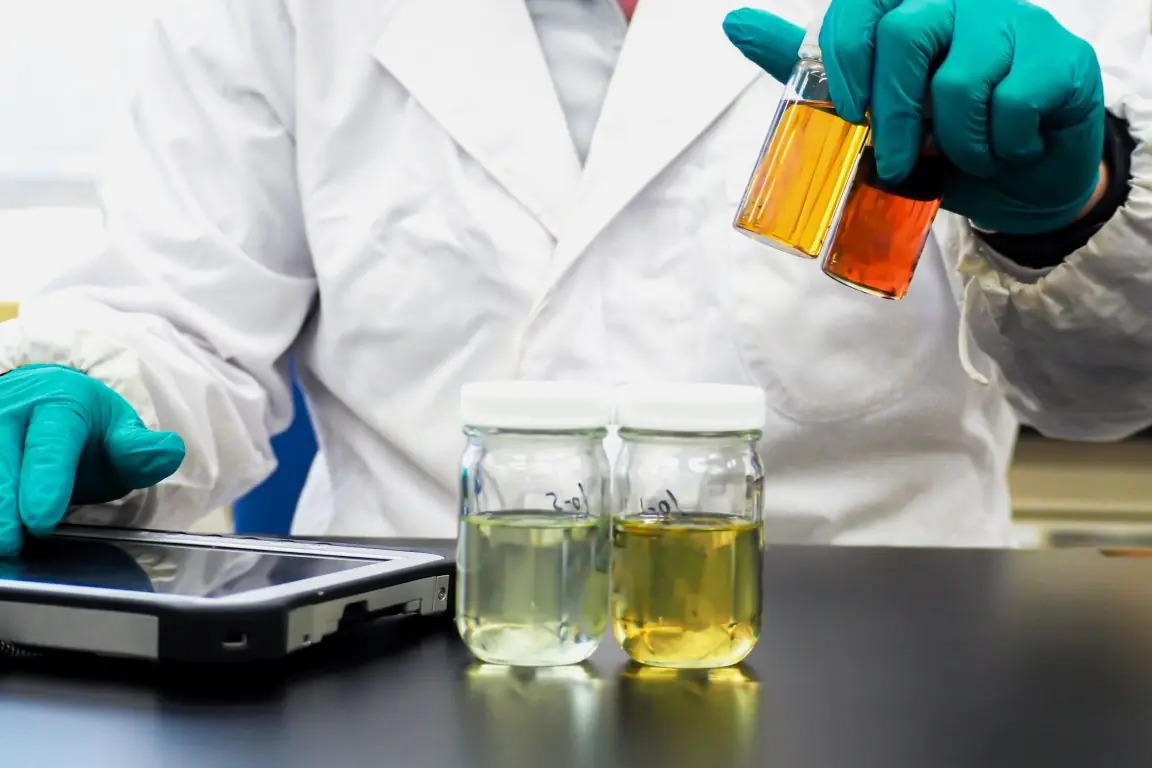
Products
Each family on its own, or several combined into a one-pack product matched to your application.
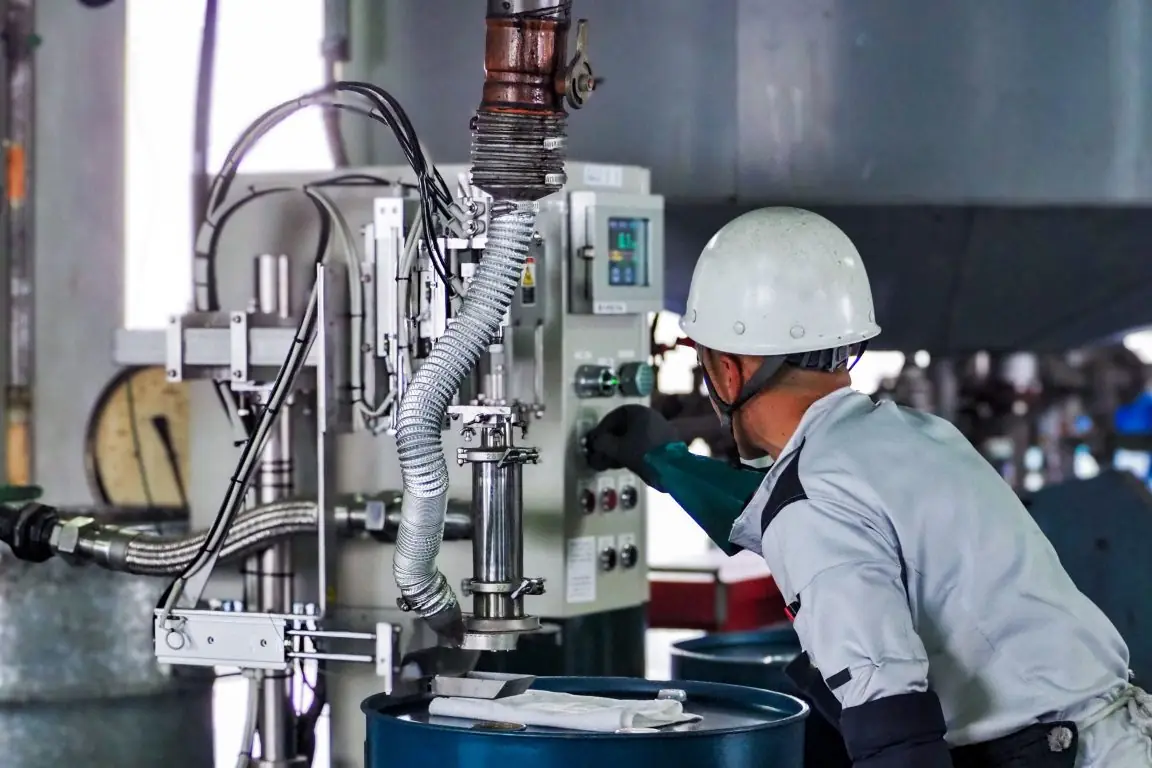
Careers
Eighty years on, we are looking for people to take our know-how forward. See the openings in R&D and production.
A formulation question, a trial blend, or a specification sheet — you reach the people who make it.